
Board meeting preparation is the work of scheduling the meeting, setting the agenda, collecting and formatting the board pack, sending it to directors on time and handling every logistics detail, and an executive assistant can own almost all of it. Board meetings have a way of consuming the week before them. Decks need updating, numbers need checking, directors need reminders, and somewhere in the middle of it all you still have a company to run.
The meeting itself might last two hours. The preparation often takes far longer. An executive assistant cannot present your results for you, but they can take nearly everything else off your plate. Here is how that works, step by step, with a timeline and checklist you can hand straight to your EA.
Key takeaways
- Board meeting preparation usually starts four to six weeks out, and an executive assistant can own the calendar, the countdown and the chasing.
- Your EA can collect inputs, assemble and format the board pack, distribute it on time and handle every logistics detail for in-person, virtual or hybrid meetings.
- After the meeting, your EA tracks action items, schedules follow-ups and keeps director requests from slipping until the next meeting.
- The story, the strategy, the decisions you need and your relationships with directors stay with you.
- Formal minutes and legal records may belong with counsel or a corporate secretary, but the operational follow-through is ideal EA work.
Who owns board meeting preparation
Responsibility is usually split. The CEO and the board chair decide what the meeting is for: the agenda, the topics that need discussion and the decisions the board is being asked to make. BoardSource, the nonprofit governance organization, describes the chair and chief executive setting the agenda together as the first step in a strategic board meeting.
Everything around those decisions is coordination: calendars, deadlines, inputs, formatting, distribution, rooms, links and follow-up. In larger companies, a corporate secretary or board administrator does some of this. In most growing companies, it falls to the CEO, and that is exactly the work an executive assistant is built to own. If you are deciding what else to hand off, our list of tasks to delegate to an executive assistant is a good place to start.
Start the clock earlier
The biggest difference an EA makes is timing. Instead of starting preparation a few days out, your EA builds a board calendar for the whole year: meeting dates, material deadlines, pre-read distribution and reminder schedules. Every meeting gets a countdown, and nothing sneaks up on you.
That calendar sits alongside everything else in your week, so your EA can protect writing time before each meeting and keep the week of the meeting clear of anything that can move. Our guide to executive calendar management covers how they balance it.
A board meeting preparation timeline
Every board runs a little differently, so adjust the timing to your bylaws and your directors’ expectations. This is a typical cycle for a quarterly meeting:
| When | What your EA handles | What you handle |
|---|---|---|
| 4 to 6 weeks out | Confirm the date, notice requirements, attendees and format, and send calendar holds | Decide the outcomes the meeting needs |
| 2 to 3 weeks out | Share a draft agenda, request updates from leaders and finance with deadlines | Agree the agenda with the board chair |
| 1 to 2 weeks out | Chase late inputs, assemble and format the board pack | Write the narrative and review the pack |
| About a week out | Distribute the pack through the agreed secure channel and confirm receipt | Brief key directors on major decisions |
| The day before | Confirm logistics, test video links, prepare the minutes template | Rehearse the main points |
| After the meeting | Track action items, send follow-ups, schedule requested calls | Own the decisions and director relationships |
Your board meeting preparation checklist
The timeline tells you when. The checklist below tells your EA what to cover in each stage.
Notice, attendance and format
- Send notice within the period your bylaws require, and confirm a quorum will attend
- Confirm whether the meeting is in person, virtual or hybrid, and lock the location or video link
- Book travel and accommodation for directors who need it
- Check whether any director has a conflict of interest with an agenda topic, and flag it to you
The agenda
Your EA drafts the agenda from the previous meeting’s minutes, open action items and the topics you and the chair have agreed. Each item gets a time, an owner and a note on whether it is for information, discussion or a decision. BoardSource also recommends moving routine reporting and updates to a consent agenda, which frees meeting time for real discussion.
Collect inputs without chasing
A board pack depends on inputs from across the company. Your EA owns that collection: sending requests with clear deadlines and a template, following up when updates are late, and flagging gaps early so you are not discovering missing numbers the night before. This is the same follow-through that makes an EA valuable every week, applied to a fixed deadline.
Assemble and format the board pack
Formatting slides, standardizing charts, numbering pages and building an appendix are not strategic work, but they make materials easier for directors to read. Your EA handles the assembly so your time goes on the narrative and the decisions you need from the board.
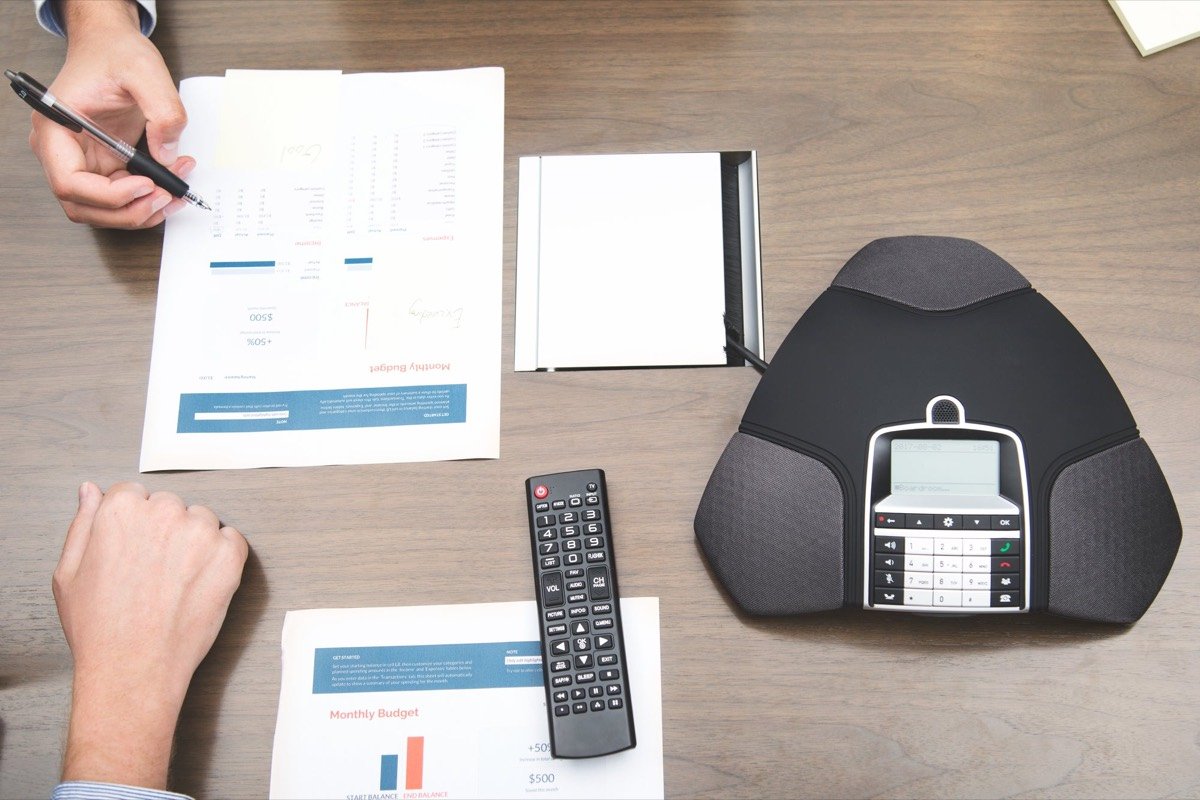
A typical board pack includes:
- The agenda and the minutes of the previous meeting
- A CEO update with the main points you want directors to take away
- Financial statements, key metrics and progress against the plan
- Department or committee reports
- Papers for each decision, with the options and your recommendation
- An appendix of supporting detail
Distribute the materials
Directors need enough time to read the pack properly. Your EA sends it on the agreed date through the agreed channel, confirms each director has it, and handles any late updates with a clear note of what changed rather than a new version nobody can compare.
Final logistics
In-person meetings need rooms, catering, travel and parking. Virtual meetings need tested links, a backup dial-in and someone watching the waiting room. Hybrid meetings need both. The day before, your EA confirms every detail, prints anything needed and prepares a minutes template that follows the agenda.
Build a reusable board book template
Every quarter, the board book looks roughly the same: financial summary, key metrics, department updates, strategic topics and an appendix. Ask your EA to build a reusable template with standard sections, consistent chart styles and placeholders for each owner. The first meeting takes some setup. Every meeting after that starts from a structure everyone already knows.
A template also makes it easier to spot what is missing. When a section is still empty a week out, your EA knows exactly whom to chase.
Capturing decisions and follow-ups after the meeting
The work does not end when the meeting does. Your EA can:
- Turn your notes into a list of decisions and action items with owners and dates
- Send follow-up materials directors asked for in the room
- Schedule any additional conversations directors requested
- Track every commitment until it is done, and add open items to the next agenda
- Collect any director expenses and hold a short debrief on what ran late
Formal minutes and legal records may belong with your counsel or corporate secretary, but the operational follow-through is ideal EA territory.
Keep directors informed between meetings
Strong board relationships are built between meetings, not just during them. Your EA can track director requests, schedule check-in calls, share interim updates you approve, and keep a simple log of commitments made to each director. When the next meeting arrives, nothing promised in the last one has been forgotten.
This also helps when new directors join. Your EA can assemble an onboarding packet of past materials, key documents and upcoming dates, so new directors get up to speed without you walking them through everything personally.
Protect confidential board materials
Board materials often include sensitive financials, strategy and personnel matters. Agree with your EA where materials are stored, who has access, how drafts are shared and which channel is used for distribution. A dedicated EA working inside your systems is far easier to trust with this than a rotating set of contractors. We cover the habits that make this work in our guide to executive assistant confidentiality.
What stays with you
The story, the strategy, the decisions you need and the relationships with your directors stay with you. Your EA’s job is to make sure that when you walk into the room, everything around that story is already handled. After each meeting, ask your EA to note what worked and what ran late. Those notes become next quarter’s checklist, and every meeting gets a little smoother than the last.
If you want this kind of support without adding an in-house hire, our virtual executive assistants are fully employed and managed by GCS, dedicated full time to your account and working your hours. For the full picture of the role, see what a virtual executive assistant does day to day.
Frequently asked questions
How far in advance should board materials be sent?
Follow any timing set in your bylaws or board policies first. Beyond that, send the pack early enough that directors can read it properly, which for many boards means about a week ahead. A late pack leaves directors reading on the way into the room.
Who is responsible for board meeting preparation?
The CEO and board chair own the agenda and the decisions the meeting needs to reach. The coordination work, including scheduling, collecting inputs, assembling the pack, distribution and logistics, is usually handled by a corporate secretary, board administrator or the CEO’s executive assistant.
What goes into a board pack?
Most board packs include the agenda, minutes of the previous meeting, a CEO update, financial statements and key metrics, department or committee reports, papers for any decisions the board is asked to make, and an appendix of supporting material.
What should happen after a board meeting?
Minutes are drafted, reviewed and approved, action items are assigned with owners and dates, follow-up materials directors asked for are sent, and any extra conversations are scheduled. A short debrief on what worked also makes the next meeting easier to prepare.
Can a virtual executive assistant help with board meetings?
Yes. Nearly all board meeting preparation happens in calendars, email, shared folders and video tools, so a remote EA can own it fully. For in-person meetings, they coordinate rooms, travel and catering from wherever they work.
Want your next board meeting off your plate? Tell us how your board cycle runs and we will show you what a dedicated GCS executive assistant would own from the first calendar hold to the last follow-up. Book a free 30-minute strategy call.